
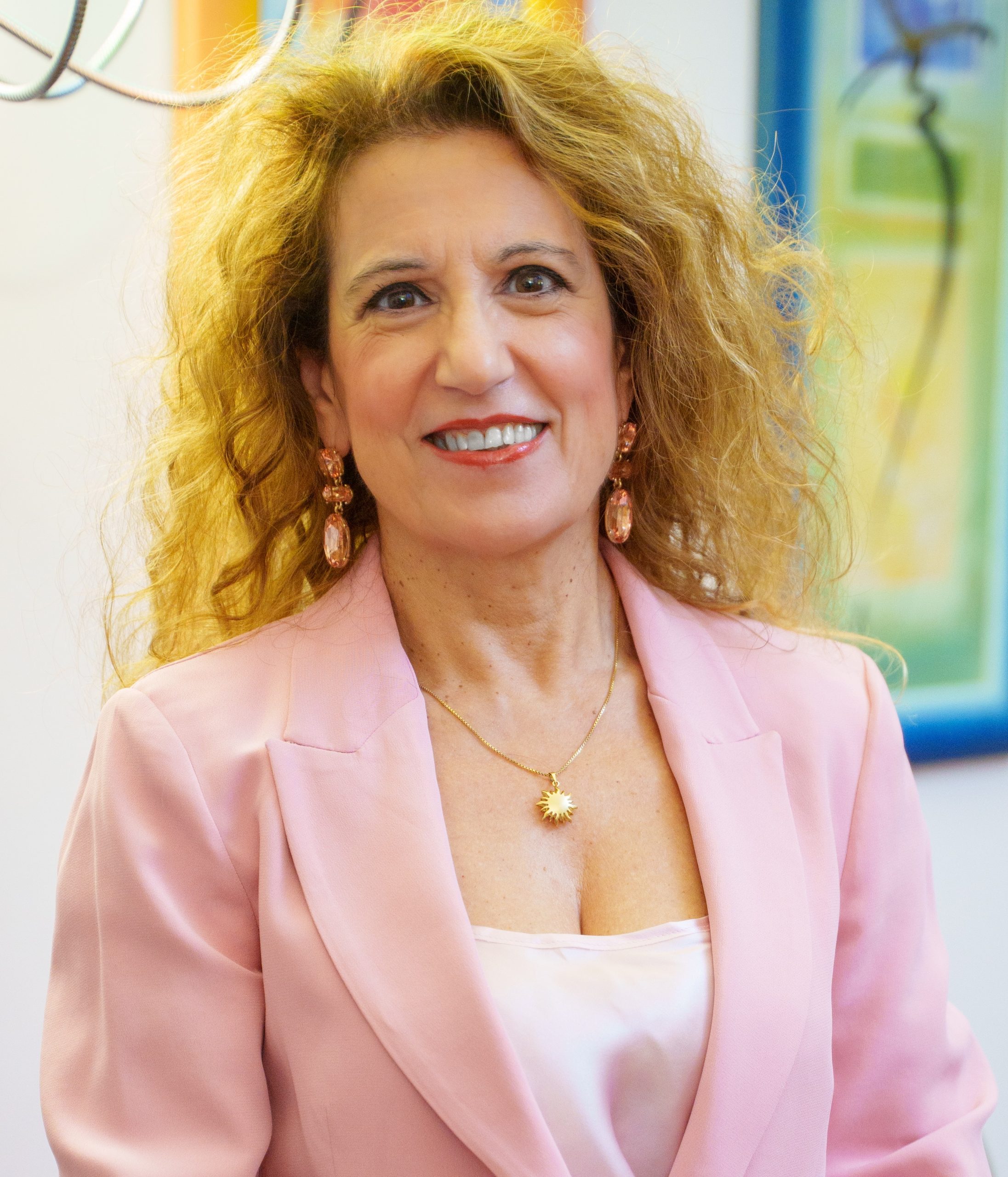
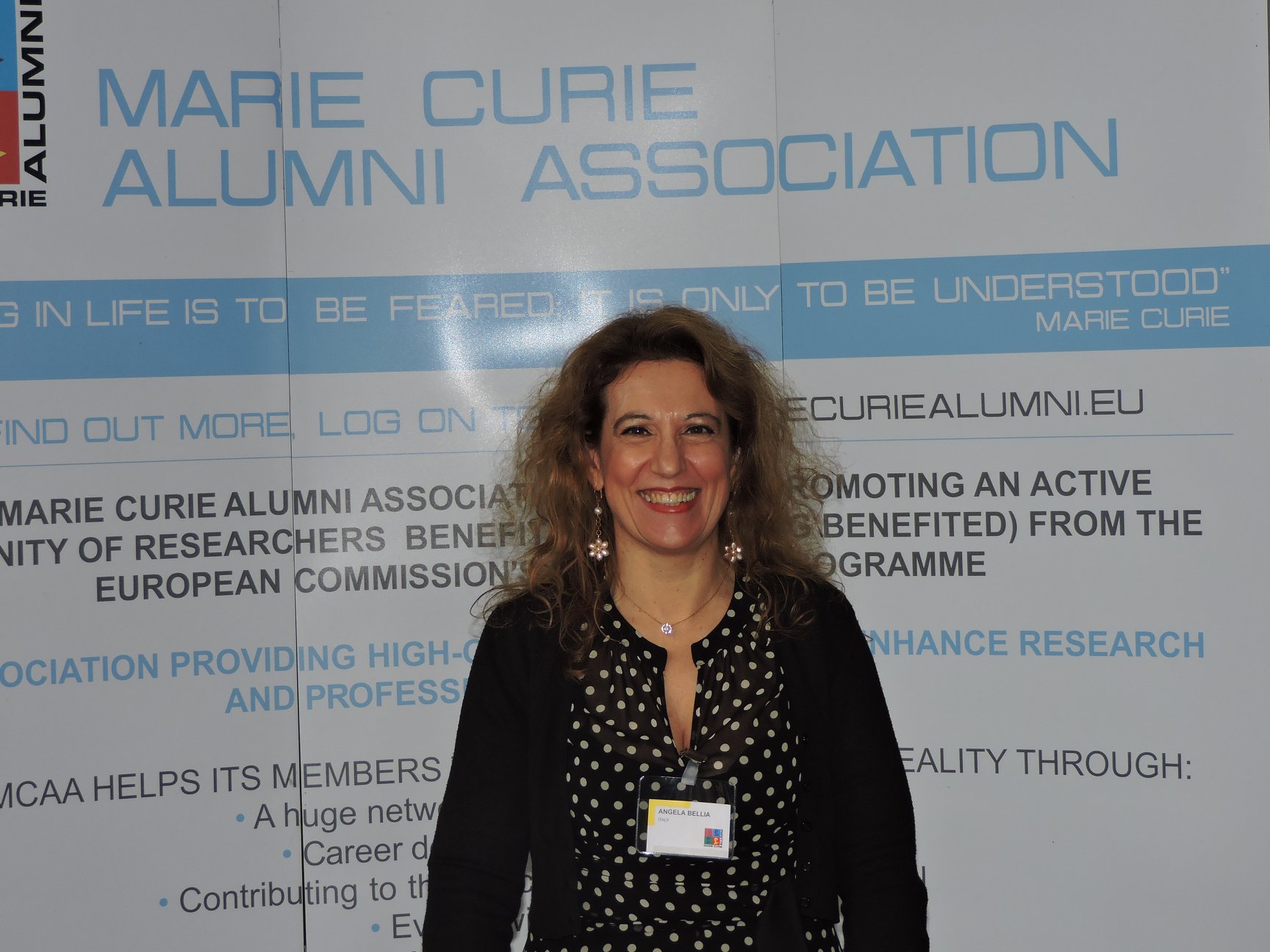
This month EPWS gives the floor to Prof. Angela Bellia, Full Professor at the Department of Cultures and Societies, University of Palermo; Principal Investigator of the Voicing Spaces: Towards an Aural Architecture in the Past – VOICING Project.
Angela Bellia holds a PhD from the University of Bologna and is a Full Professor at the Department of Cultures and Societies, University of Palermo. She also completed extensive musical studies, earning diplomas in Classical Piano, Opera Singing, and as an Opera Vocal Coach from Italian Conservatories. Formerly a researcher at the National Research Council (CNR), she has conducted extensive research in the United States, France, and Switzerland. As the Principal Investigator of the VOICING Project (a Grant funded by the Italian Science Fund – FIS and the Ministry of University and Research – MUR, modelled on the European Research Council: https://www.unipa.it/dipartimenti/cultureesocieta/Progetto-Voicing/), her research distinctly bridges the gap between heritage acoustics, aural architecture, and sound studies, establishing innovative methodologies in heritage science and digital heritage. Her expertise further extends to computational archaeomusicology and to digital sound studies.
A two-time Marie Skłodowska-Curie Fellow, Professor Bellia was honoured with the Outstanding Contributor Award by the Marie Curie Alumni Association (MCAA) for her dedication to promoting research excellence in Europe and in the United States.
She has authored over 150 publications and frequently serves as an invited keynote speaker and guest professor, delivering conferences across Europe, Asia, Australia, and the Americas.
Deeply committed to mentoring early-career researchers, she actively advocates for a heightened awareness of the sonic dimension in both antiquity and contemporary human environments.
She currently serves as Chair of the Archaeomusicology Interest Group (AMIG) of the Archaeological Institute of America.
Affiliation:
Department of Cultures and Societies, University of Palermo
Website: https://www.unipa.it

EPWS: What made you want to go to science? How did you decide to choose your discipline and your particular field of research? Did you have an inspiring model (parent, relative, teacher, literature, etc.)?
Before embarking on my scientific journey, I undertook extensive musical studies, specialising in classical piano and opera. My scientific career was fundamentally sparked by a profound desire to uncover the deepest roots of music, understanding it essentially as humanly organised sound. This naturally evolved into a broader pursuit driven by a fascination with the intangible dimensions of antiquity, significantly facilitated by the immense opportunities afforded by technology. Traditional archaeology frequently focuses on the visual and material remains of the past, yet ancient spaces were profoundly resonant and multisensory.
I chose to specialise in heritage acoustics, aural architecture, and soundscape archaeology because I sought to recover the lost “voices” of these historical spaces. Exploring how acoustics shaped human experience and architectural design in antiquity offers a remarkably dynamic perspective on ancient societies; indeed, these sonorities constitute an essential component of our sonic heritage. In this endeavour, my greatest inspirations have been pioneering figures such as Rita Levi-Montalcini and Marie Skłodowska-Curie. Their unwavering, lifelong dedication to research, and their intellectual courage in breaking new ground, remain a constant guiding light in my own commitment to science.
EPWS: What do you work on? How important is your research topic for science development or society?
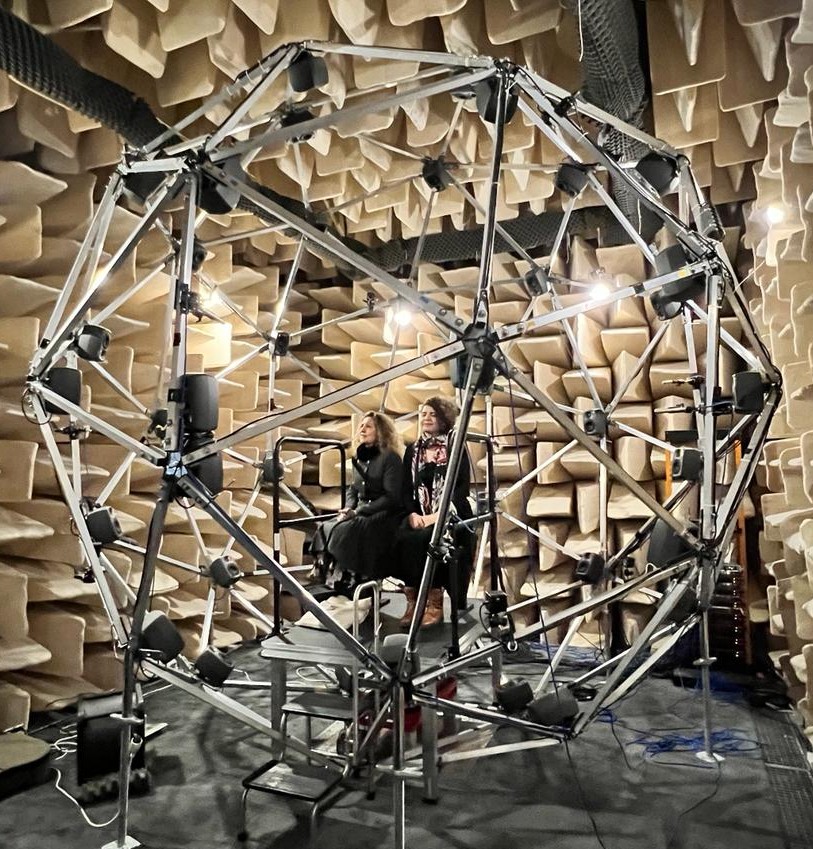
My research is deeply rooted in the exploration and preservation of the “historical soundscape” and sonic heritage. Through the VOICING project, my team and I investigate the complex relationship between sound, ancient architecture, and human perception. By employing cutting-edge technologies such as Immersive Virtual Reality and 3D virtual acoustics, we design multisensory experiences that allow users to become “soundwalkers” within digitally reconstructed archaeological sites. This interdisciplinary approach not only recovers the lost sonic dimension of the past – what we might term “digital audible history” – but also allows us to understand sound as a profound means of knowledge, linking place, space, and the body.
The societal importance of this research extends far beyond the boundaries of heritage science. In alignment with the principles of the UNESCO Charter of Sound, my work aims to raise critical awareness regarding the pervasive sonic dimension in which we are constantly immersed. Sound is a fundamental determinant of well-being for humans, animals, and the environment. Understanding its psychological and physiological impact is vital for improving acoustic design in modern urban spaces, work environments, and, crucially, in places of care and healing. Furthermore, exploring the soundscapes of the past fosters a vital sensitivity towards the fragile sonic environments of our present. It highlights the urgent need to protect the sounds of our natural world, which are currently under severe threat from climate change, the devastating impacts of war, and destructive human activities. By learning to listen to our past, we are ultimately better equipped to safeguard the sonic ecosystems of our present and future.
EPWS: What is your greatest success as a researcher (and as a teacher if you teach), the one you are most proud of? Could you share the memory of a great personal satisfaction during your research career with us?
My most profound satisfaction as a researcher is undoubtedly securing the substantial funding for the VOICING project. This grant is not merely a personal achievement; its true value lies in the opportunity it affords me to cultivate and guide a multidisciplinary research team of brilliant young scholars. My greatest hope is that their involvement in this project will allow them to broaden their knowledge, significantly enhance their curricula vitae, and establish robust international networks. This commitment to mentoring stems directly from my own trajectory.
A similar, transformative opportunity was granted to me through two Marie Skłodowska-Curie Fellowships. These prestigious awards were absolutely fundamental, firstly because they arrived at a particularly delicate juncture in my scientific career, and secondly because they enabled me to dramatically expand my expertise, particularly in the digital domain. For a researcher originally trained in the humanities, acquiring these digital competencies was vital. Today, I am immensely proud that these skills allowed me to conceptualise a genuinely multidisciplinary project where engineers and digital scientists work seamlessly alongside humanities scholars, effectively dismantling traditional disciplinary barriers.
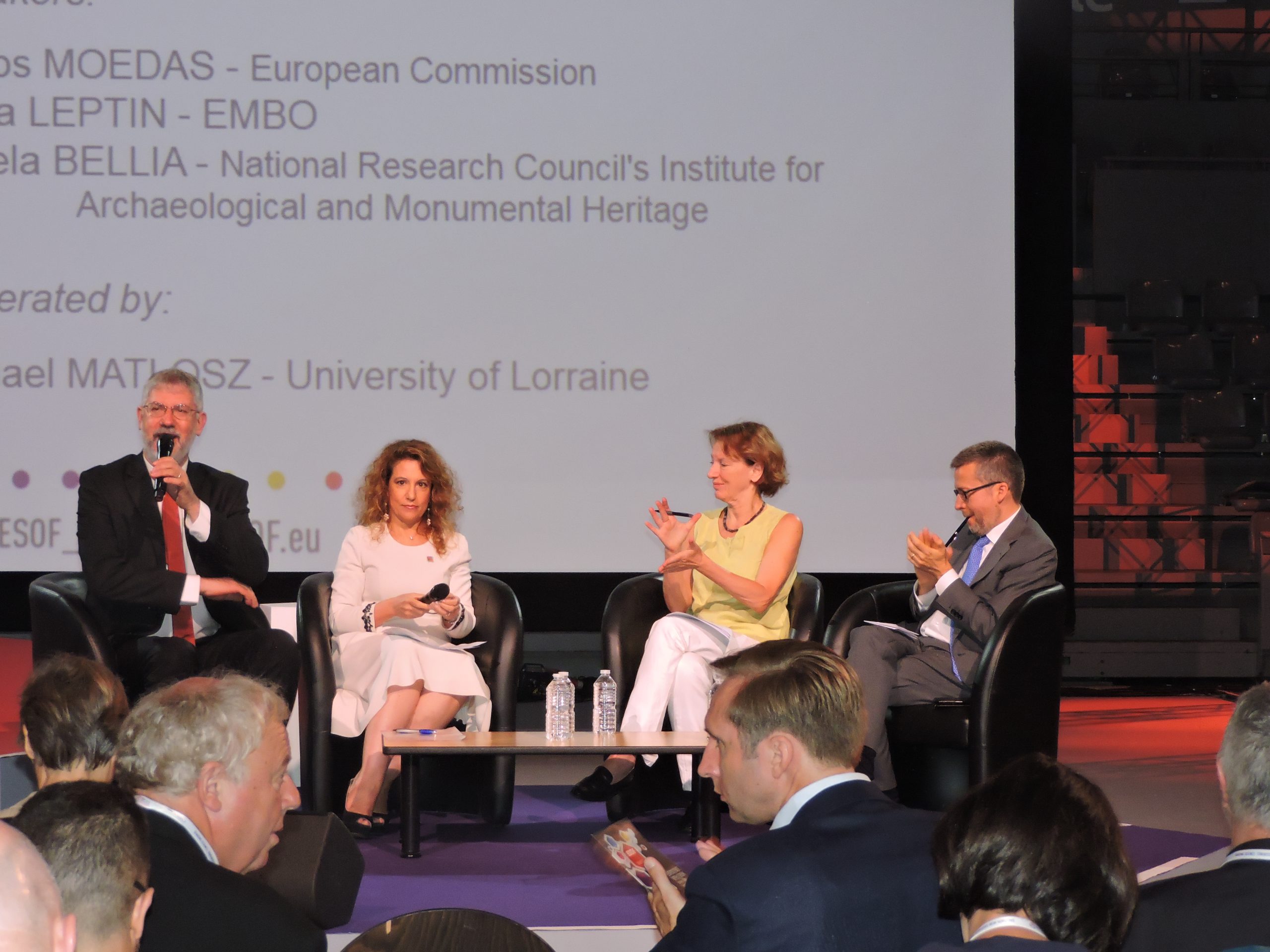
When asked to recall a moment of exceptional personal satisfaction, my memory immediately returns to 10 July 2018. I had the privilege of communicating this very vision of interdisciplinary research as an Invited Speaker for the Plenary Panel Discussion on “Horizon Europe: The Future European Framework for Research and Innovation Beyond Horizon 2020” at the EuroScience Open Forum (ESOF) in Toulouse. Sharing the stage and exchanging ideas with esteemed figures such as Carlos Moedas (then European Commissioner for Research, Science and Innovation), Maria Leptin (then EMBO Director and current President of the European Research Council), and Michael Matlosz (then President-elect of EuroScience) was profoundly inspiring. Discussing the future of European research on such a prestigious platform remains one of the most cherished highlights of my career and a defining moment for my scientific vision.
EPWS: In which country/countries have you been doing research?
My academic journey has been inherently international, profoundly enriched by the mobility afforded by European research frameworks. Over the course of my career, I have conducted extensive research in Italy—where I earned my PhD at the University of Bologna and subsequently worked as a researcher at the National Research Council (CNR)—as well as in France, Switzerland, and the United States, with a particularly significant period of research conducted at New York University. These experiences afforded me the invaluable opportunity to engage with scholars working at the very forefront of my research fields. My two Marie Skłodowska-Curie Fellowships were absolutely instrumental in facilitating this cross-border trajectory, allowing me to collaborate closely with prestigious institutions and diverse international teams.
Furthermore, my commitment to fostering a global dialogue in heritage acoustics and computational archaeomusicology has expanded my academic footprint well beyond these primary research bases. The Lifelong Learning Programme (Erasmus) has enabled me to undertake significant teaching mobility activities across Europe, serving as an Erasmus Visiting Professor in Latvia, Portugal, and Poland. These sustained international engagements, alongside frequent invitations as a keynote speaker at prominent institutions across Europe, Asia, Australia, and the Americas, have fundamentally shaped my interdisciplinary perspective.
EPWS: What is your agenda for the coming months?
In the forthcoming months, my primary focus will be dedicated to the comprehensive management of the VOICING project and the strategic direction of our multidisciplinary research team. A crucial aspect of my agenda involves disseminating our ongoing research; I will be sharing our findings at key international conferences, whilst simultaneously driving public engagement initiatives designed to raise awareness among a wider audience about the profound importance of the sonic dimension in our daily lives.
Furthermore, I perceive this intensive phase of the project as an invaluable opportunity for my own continuous learning, allowing me to acquire new skills and broaden my knowledge base. Embracing this dynamic, collaborative process is a source of immense joy and enthusiasm for me—a passion and energy that I sincerely hope to transmit to every member of my team as we advance this pioneering research together.
EPWS: Did you meet any barriers (personal/social/structural) during your career as a scientific researcher? Did you benefit from mentoring?
In my personal career, I have not encountered overt gender barriers. However, as I highlighted during my intervention at the EuroScience Open Forum in Toulouse, I have faced formidable structural resistance from a conservative academic environment that often struggles to accommodate genuinely new ideas. It is not uncommon to observe entrenched academic networks that tend to privilege and promote individuals within their established, traditional circles. When these hierarchies are male-dominated, this systemic dynamic inevitably leads to a structural preference for male researchers over their female counterparts.
Unfortunately, this systemic conservatism is a primary cause for the loss of prestige and relevance in certain disciplines, particularly within the humanities. By continuously recycling the same themes and methodologies across generations, these fields risk involution and obsolescence – a phenomenon that has occurred throughout the history of knowledge and will undoubtedly happen again if we do not adapt. I firmly believe that embracing intellectual risk is fundamental to propelling research fields into the future, ensuring they transform, evolve, and thrive rather than stagnate.
More broadly, I observe that women frequently work relentlessly behind the scenes, often accepting subordinate roles to men who hold apical positions within the academy. This occurs partly out of a legitimate fear of jeopardising their own career progression, and partly because it is a culturally ingrained dynamic – one that, regrettably, is sometimes accepted even by women themselves. Breaking the mould to fiercely claim one’s intellectual and professional autonomy ultimately pays off, especially for a woman, but the journey towards that independence exacts a toll that can, at times, be exceedingly high.
EPWS: What is the situation of gender equality in your working field? In the countries where you have been working, were there gender equalities policies and did you experience their effects?
In the rapidly evolving sectors of Heritage Science and the digitalisation of cultural heritage, female researchers have not merely participated; they have rendered themselves absolutely indispensable. The inherent nature of this field – which sits at the complex intersection of the humanities and advanced technological sciences – demands a collaborative, highly interdisciplinary ethos. Women have consistently demonstrated a profound aptitude for bridging these traditionally siloed domains, driving the digital turn in cultural heritage with innovative visions and meticulous methodologies.
Regarding the broader situation of gender equality and the impact of institutional policies, my experience across various nations – particularly within the European research landscape – has been quite revealing. Frameworks such as the Marie Skłodowska-Curie Actions and the broader Horizon programmes have implemented rigorous gender equality policies that have had a tangible, highly positive effect. They have provided crucial funding opportunities at critical career junctures and have actively mitigated structural biases by demanding gender considerations within research consortia. However, a further critical reflection is necessary: while top-down policies are an indispensable tool for dismantling initial systemic barriers and ensuring representation, they are not a panacea. True equality will only be achieved when the academic culture itself organically recognises, respects, and elevates female leadership – particularly to apical positions – without the necessity of institutional mandates. The challenge we face today is transitioning from structural compliance to genuine, uncontested intellectual and managerial authority for women in science.
EPWS: What do you suggest for a better implementation of gender equality in science?
To achieve a genuinely effective implementation of gender equality in science, we must transcend mere numerical quotas and performative compliance. What is urgently required is a profound cultural paradigm shift, underpinned by robust structural interventions. We must systematically dismantle the unconscious biases that still permeate academic recruitment, peer-review processes, and funding allocation.
Crucially, institutions must offer tangible and comprehensive support systems that address the full spectrum of care responsibilities. At present, institutional support for maternity and childcare remains largely inadequate, frequently penalising early-career female researchers and stalling their academic progression. Furthermore, we must recognise an additional, often overlooked challenge: the increasing demands of caring for elderly parents. This responsibility frequently intensifies during the peak of a woman’s leadership potential and mid-to-late career. Addressing this compounded burden of care throughout a researcher’s entire life-course is absolutely vital to preventing the continuous attrition of brilliant female scholars.
I firmly believe that those of us in apical positions must enact this change practically within our own spheres of influence. When establishing the VOICING project, I viewed the recruitment of our expansive, multidisciplinary team as a crucial opportunity to translate these principles into concrete action. In strict alignment with the progressive gender equality frameworks championed by the European Research Area and Horizon Europe, we implemented a rigorously transparent, merit-based, and bias-aware selection protocol. My objective was not merely to assemble a gender-balanced team, but to actively cultivate an inherently inclusive research ecosystem where diverse perspectives are structurally empowered to innovate and lead.
EPWS: Did you experience networking between women scientists? Can you comment on your answer and explain why yes or not?
Yes, I have both experienced and actively cultivated networking among female scientists, and I consider it absolutely indispensable. Navigating a highly interdisciplinary field that intersects with historically male-dominated disciplines requires more than just academic rigour; it requires professional solidarity. Networking provides a vital forum for intellectual exchange, collaborative problem-solving, and the sharing of effective strategies to overcome the structural barriers we discussed earlier. It is through these collaborative networks that women can amplify each other’s voices, mitigate professional isolation, and foster meaningful international partnerships.
I am actively engaged in prominent women scientists’ associations and broader research advocacy networks. I am a member of the Associazione Donne e Scienza (the Italian Association of Women in Science), which plays a crucial role in advocating for gender equality and representation within the Italian research landscape. Additionally, I am a member of the Italian Research Staff Association (ItalianRSA), which represents salaried research staff in Italy – including researchers within Universities, Research Centres and Associations, and individual researchers who lack representation through an RSA – advocating for their common interests at a National and International level, in particular towards the goal of sustainable research careers. Furthermore, I maintain a profound connection with ITWIIN (the Italian Women Innovators and Inventors Network). They honoured me with the “Exceptionally Creative Woman” (Premio Donna Eccezionalmente Creativa) award in recognition of my pioneering studies in archaeoacoustics. Engaging with such networks is a powerful reminder that our individual research achievements are significantly strengthened when supported by a collective, empowering community of female innovators.
EPWS: If you could start again your life, would you choose again to be a scientist? What would you change?
Music has been the definitive “red thread” woven throughout both my personal life and my academic career. Prior to my transition into full-time research, having earned diplomas in Classical Piano, Opera Singing, and as an Opera Vocal Coach from Italian Conservatories, I pursued a career as a concert performer and an educator across all tiers of the music education system. I would not change this foundational experience, as music fosters profound connections between individuals and enriches familial bonds -a source of immense personal joy. If I were to revisit my past, perhaps I would have dedicated more space to disciplines such as mathematics and engineering to acquire a broader range of analytical tools earlier. However, I am fundamentally content with the path I have taken; I have always trusted my instinct to explore pioneering fields, independently mastering the necessary competencies to expand the scope of my research whenever the need arose.
EPWS: Could you leave a message to young European women scientists?
My primary message is to trust your intellectual instincts and never relinquish your inherent desire for exploration. Throughout your journey, you will inevitably encounter structural obstacles and perhaps even individuals who may attempt to hinder your academic progression. Do not allow them to demotivate you. When faced with such resistance, have the courage to ‘cut away the dead wood’—do not hesitate to distance yourself from toxic or unsupportive environments, and resolutely forge ahead on your own path.
Cultivate unwavering determination. Always remain open to constructive dialogue and lead with kindness, but never allow anyone to confuse your kindness with subservience. Be exceptionally strong in defending your scientific viewpoints and fiercely demand the professional respect you have earned. Finally, embrace difficulties and inevitable failures not as defeats, but as profound catalysts for personal and professional growth. Let these challenging experiences teach you, and use that acquired resilience to improve not only yourselves, but also your academic ecosystems and the wider world in which we live.
Favourite Links
-VOICING, funded by the Italian Science Fund (FIS) & Ministry of University and Research (MUR): https://www.unipa.it/Come-risuonava-lacustica-nei-teatri-antichi-Dal-MUR-23-milioni-a-UniPa-per-un-progetto-di-ricerca-internazionale;
Watch the Project Video Presentation: https://youtu.be/9oVIfSm5by0
-Associazione Donne e Scienza: https://www.donnescienza.it/
-Marie Curie Alumni Association: https://www.mariecuriealumni.eu/; https://www.mariecuriealumni.eu/member/angela-bellia; https://www.mariecuriealumni.eu/newsletters/9th-mcaa-newsletter/members-achievements-january2017
-The Marie Skłodowska-Curie Actions Matchmaking Platform: https://www.b2match.com/e/radiance-msca/participants/3359074
-ITARSA: https://italianrsa.org/committee/
-ITWIIN: https://www.itwiin.org/it/index.html